Climate Village Lab
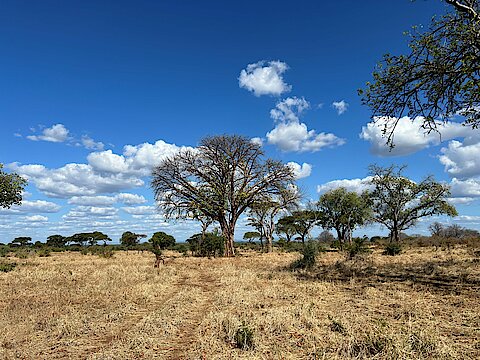
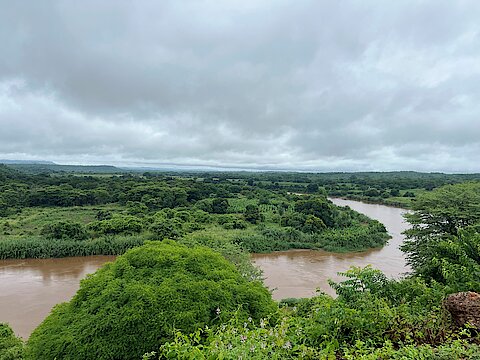
The emission of harmful greenhouse gases accelerates climate change. Tropical rainforests are one of the most important carbon sinks we have.
Preserving and protecting them is essential to reducing the rate of temperature rise and biodiversity loss. However, these forests are under pressure, especially in regions where many people depend directly on agriculture and natural resources for their livelihoods.
This is where the "Climate Village Lab" in Zambia comes in. The project sees itself as a space for learning and innovation, bringing together local knowledge, experience and scientific approaches.
Together with three participating villages,, measures are being tested that aim to reduce greenhouse gas emissions and increase household income through alternative, sustainable sources of income, making it independent of forest use.
The measures are being developed in close cooperation with community members. Local expertise, personal initiative and community decisions play a central role in ensuring long-term impact and identification with the activities. Successful measures can be replicated on a broad scale after the project period.
The project focuses on seven priority measures:
- Irrigation and fencing of communally used farmland
- Establishment of agroforestry cooperatives
- Electrification of all households and provision of electricity for small businesses
- Supported natural regeneration on a trial area
- Protection of existing forest areas
- Development of a mechanism for “biodiversity credits”
- Performance-based payments to village funds (Climate Village Funds)
At the same time, the accomponying monitoring will provide a solid data basis. In the long term, this data can also be used for larger projects and models such as biodiversity certificates.

Programme Management
Pia Puljanic
Image Credits:
01. Image: Source: © Loliwe Phiri/ GEOsdR
02. Image: Source: © Ines Possemeyer / GEOsdR
03. Image: Source: © Ines Possemeyer/ GEOsdR